
Views: 0 Author: Site Editor Publish Time: 2026-03-06 Origin: Site
Power issues can quietly damage expensive electronics. Even small voltage fluctuations may reduce performance over time. Modern devices look durable, yet inside they rely on precise and stable AC power to operate correctly. A Pure Sine Wave Inverter converts DC power into smooth, grid-quality electricity. It delivers a clean and continuous waveform similar to utility supply. For sensitive electronics, this level of power stability is essential, not optional.
In this article, we explore why choosing a Pure Sine Wave Inverter matters for protecting delicate equipment. You will learn how it improves reliability, supports efficiency, and helps you select a trusted manufacturer such as Leyu.
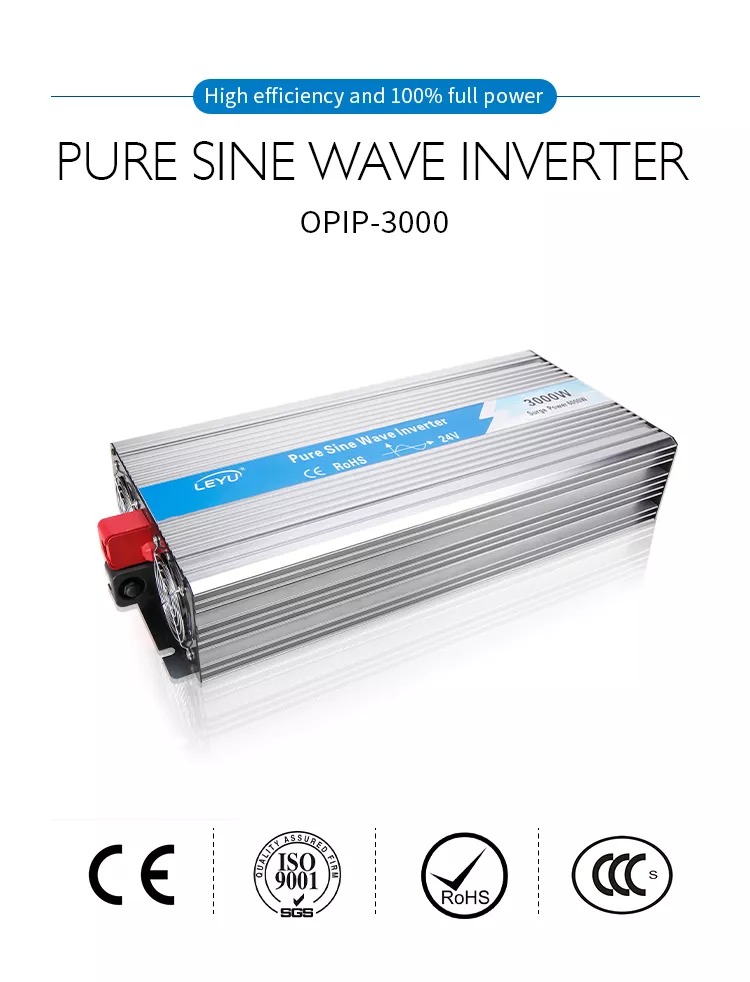
A Pure Sine Wave Inverter generates a smooth waveform that rises and falls naturally. Unlike stepped or distorted waveforms, it prevents abrupt voltage transitions.
This means:
● Microprocessors receive accurate timing signals
● Battery chargers operate correctly
● Sensors respond consistently
● Devices function as designed
Sensitive electronics expect this type of input. When they receive clean power, they operate efficiently and reliably.
Manufacturers such as Leyu invest in advanced testing facilities and strict quality control to ensure stable waveform output. Their products comply with international certifications such as CE, FCC, ETL, and ISO standards—important indicators for B2B buyers seeking dependable performance.
When power output is unstable, internal components must constantly adjust. Capacitors filter irregular signals. Power supplies regulate uneven voltage. Motors attempt to maintain smooth rotation under fluctuating input. Over time, this repeated compensation increases internal strain and affects overall reliability.
The long-term impact of distorted power can be summarized below:
Effect of Distorted Power | What Happens Inside the Device | Long-Term Result |
Increased Internal Heat | Components work harder to stabilize voltage | Reduced lifespan |
Higher Current Draw | Devices pull extra power to maintain performance | Lower energy efficiency |
Faster Component Aging | Continuous stress weakens internal parts | Higher maintenance costs |
A Pure Sine Wave Inverter helps prevent these issues by delivering smooth, stable output. It reduces unnecessary electrical strain, allowing devices to run cooler and more efficiently. As a result, internal components last longer and maintenance requirements decrease.
Waveform distortion often leads to humming speakers, flickering displays, and unstable communication signals. These are signs of electromagnetic interference (EMI).
Pure sine wave output minimizes harmonic distortion. As a result:
● Audio systems remain clear
● Video displays stay stable
● Communication equipment performs reliably
● Medical monitoring devices operate without signal disturbance
For commercial installations, especially in hospitals or data centers, clean power ensures stable and uninterrupted service.
Sensitive circuits rely on consistent voltage and frequency. Sudden changes can trigger resets, data errors, or system shutdowns.
A high-quality Pure Sine Wave Inverter maintains predictable electrical parameters, protecting valuable electronics from unexpected disruptions.
Note: For applications such as telecom systems or medical facilities, voltage stability directly affects operational continuity and safety compliance.
Computers, servers, gaming systems, and smart appliances rely on precise voltage timing. Even slight waveform distortion can cause glitches or data errors.
A Pure Sine Wave Inverter ensures digital stability. It supports uninterrupted operation and reduces the risk of unexpected shutdowns.
Modern refrigerators, HVAC systems, and industrial tools use variable-speed motors controlled by electronic signals. These motors depend on stable AC input. When the waveform is smooth, the control system adjusts speed accurately and operates more efficiently.
The improvements from clean sine wave output are shown below:
Motor Factor | Effect of Smooth Output | Benefit |
Soft Start | Gradual voltage rise | Less mechanical stress |
Stable Torque | Balanced rotation | Steady performance |
Quiet Running | Reduced vibration | Lower noise levels |
Energy Use | Efficient power delivery | Lower operating cost |
In commercial settings, this improves efficiency and reduces long-term wear.
CPAP machines, oxygen concentrators, and monitoring devices require reliable power. Inconsistent electricity can disrupt performance.
A Pure Sine Wave Inverter provides steady output, helping ensure safe and dependable operation.
Professional sound systems, broadcasting equipment, and display systems rely on distortion-free input. Clean power prevents audio hum and image artifacts.
For businesses in media production, hospitality, or event management, waveform quality directly affects customer experience.
When selecting inverter systems for projects, buyers focus on reliability, lifecycle cost, compatibility, and supplier credibility. A Pure Sine Wave Inverter delivers measurable value across these areas.
● It extends equipment lifespan by reducing electrical stress.
● It improves energy efficiency during continuous operation.
● It supports nearly universal compatibility across AC-powered devices.
● It stabilizes load behavior during peak demand.
Below is a structured comparison of long-term operational impact:
Operational Factor | Pure Sine Wave Inverter | Non-Pure Output |
Component Lifespan | Longer due to lower stress | Shorter due to heat |
Energy Efficiency | Higher under dynamic loads | Lower efficiency |
EMI Level | Minimal harmonic distortion | Increased interference |
Device Compatibility | Broad industrial support | Limited |
Companies such as Leyu design products for global markets across Europe, North America, Southeast Asia, South America, and Africa. Their experience in OEM and ODM customization helps distributors align inverter performance with regional standards and client needs.
Tip: For system integrators, confirm waveform Total Harmonic Distortion (THD) values before procurement. Lower THD supports sensitive electronic loads.
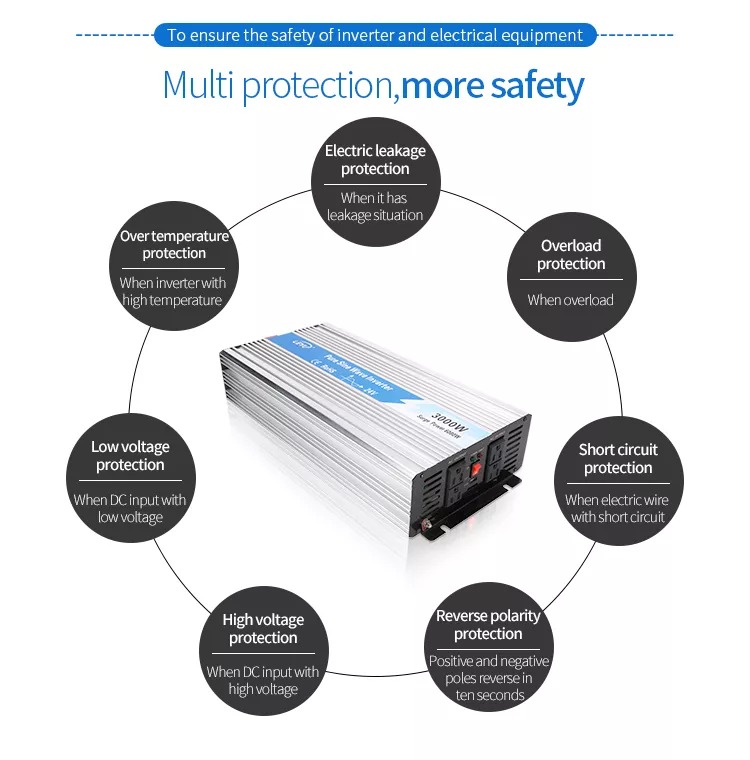
Understanding waveform differences clarifies why pure sine wave technology is preferred.
Feature | Pure Sine Wave Inverter | Standard/Modified Output |
Waveform Shape | Smooth, continuous | Stepped or approximated |
Motor Performance | Quiet, efficient | Noisy, higher heat |
EMI Level | Minimal | Higher |
Compatibility | Universal | Limited |
Long-Term Stability | High | Reduced |
The waveform closely matches grid electricity. It rises and falls in a natural, continuous pattern rather than sharp steps. This smooth transition prevents abrupt voltage changes that can disturb delicate circuits. Sensitive components respond better to gradual shifts in current. As a result, internal systems operate more predictably and efficiently over time.
Precision devices rely on consistent frequency and steady voltage levels. Even small variations can affect timing, processing accuracy, or motor control. A Pure Sine Wave Inverter maintains stable output under changing load conditions. It supports reliable performance in residential, commercial, and industrial applications where dependable power is essential.
Application | Why Pure Sine Wave Matters |
Off-Grid Solar | Daily stable primary power |
Mobile Systems | Smooth power during movement |
Backup Power | Safe transition during outages |
In remote installations, the inverter becomes the primary power source. It must deliver stable electricity every day, often without backup from the public grid. System reliability depends heavily on waveform quality. Pure sine wave output ensures appliances, communication systems, and monitoring equipment run smoothly and consistently under varying load conditions.
Mobile systems power laptops, refrigeration units, navigation systems, and communication tools. These devices often operate in changing environments where load demand fluctuates. Clean sine wave output prevents instability during travel and supports safe, uninterrupted performance on the move.
During outages, businesses rely on backup systems to protect data, security networks, and operational equipment. Sudden power transitions can damage sensitive electronics. Stable inverter output ensures continuity, reduces disruption risk, and helps maintain normal operations during emergencies.
Tip: When specifying backup systems for commercial clients, always match inverter capacity to peak load requirements and include safety margins for startup surges.
Lower internal stress leads to fewer equipment failures and unexpected shutdowns. When devices receive stable power, components operate within safe limits instead of constantly compensating for irregular input. Over time, organizations reduce service calls, minimize repair frequency, and lower replacement expenses. This also improves overall operational planning and cost control.
When powering critical electronics, reliability matters more than short-term cost savings.
Established manufacturers like Leyu, founded in 2007 in Yueqing, China’s “Electrical Kingdom,” combine nearly two decades of experience, advanced production technology, and strict quality control. Their commitment to international certification and OEM/ODM customization makes them a practical partner for global distributors and system integrators.
Note: For procurement teams, verifying certifications such as CE, FCC, ETL, and ISO 9001 helps ensure compliance and long-term product reliability.
Sensitive electronics require clean, stable power for safe operation. A Pure Sine Wave Inverter delivers smooth, uninterrupted electricity that protects microprocessors, reduces heat, and prevents interference. It improves efficiency and supports reliable performance across medical, commercial, and solar applications.
Choosing the right partner also matters. Zhejiang Leyu Electric Co., Ltd. provides high-quality pure sine wave solutions built for stability, safety, and global standards. Their advanced technology and professional service help businesses protect equipment and secure long-term value.
A: A Pure Sine Wave Inverter converts DC power from batteries or solar panels into smooth AC electricity that matches utility grid power. It produces a clean waveform, which is essential for sensitive electronics such as computers, medical devices, and smart appliances.
A: Sensitive devices rely on stable voltage and frequency. A Pure Sine Wave Inverter delivers consistent, distortion-free power, helping protect microprocessors, reduce heat buildup, and prevent electrical interference that may affect performance over time.
A: A Pure Sine Wave Inverter reduces electrical stress inside components like capacitors and power supplies. By delivering smooth energy, it helps devices run cooler and more efficiently, which can extend their operational lifespan.
A: Yes. A Pure Sine Wave Inverter produces a smooth, continuous waveform, while modified inverters create stepped signals. Sensitive electronics respond better to clean sine wave output, ensuring stable performance and broader compatibility.
A: Absolutely. A Pure Sine Wave Inverter is ideal for medical equipment, off-grid solar systems, and backup power setups because it provides reliable and stable electricity required for critical devices.
A: A Pure Sine Wave Inverter may have a higher upfront cost, but it protects valuable electronics, reduces maintenance risks, and improves long-term reliability. For sensitive equipment, it is a smart and practical investment.
 English


