
Views: 0 Author: Site Editor Publish Time: 2026-02-12 Origin: Site
Have you ever wondered why some RV appliances run smoothly off-grid while others struggle? The difference often comes down to choosing the right Pure Sine Wave Inverter. Many RV owners assume bigger is better, but true performance depends on stability, efficiency, and proper system matching.
When you travel in an RV, the inverter becomes the heart of your electrical system. It converts battery power into clean AC electricity that mirrors grid output. In this article, you will learn how to select the best Pure Sine Wave Inverter for your camper, match it to your battery bank, and build a reliable power setup for life on the road.
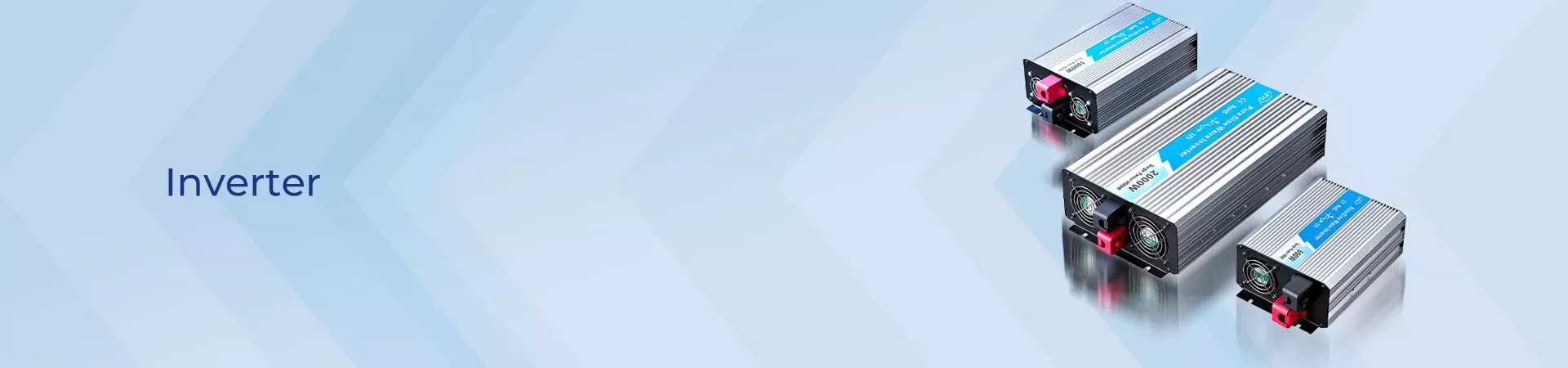
Every RV owner uses power differently. The right inverter depends on how you travel and what you run daily.
If your setup focuses on:
● Laptops
● Smartphones
● Camera chargers
● Wi-Fi routers
● Small LED TVs
Then a compact Pure Sine Wave Inverter handles it easily. These setups draw low continuous wattage and benefit from efficient, space-saving designs.
For weekend travelers or minimalists, this keeps installation simple and battery drain low.
Most RV users fall into this category. You may run:
● Coffee makers
● Blenders
● Television
● Electric blankets
● Multiple device chargers
Here, balance matters. You need enough continuous output to handle overlapping loads without overbuilding your system.
A mid-range Pure Sine Wave Inverter gives flexibility while protecting battery capacity.
If you operate:
● Microwaves
● Induction cooktops
● Air fryers
● Power tools
● Hair dryers
You need higher continuous capacity and strong surge handling. Motor-based appliances draw extra power at startup. Without proper headroom, systems shut down unexpectedly.
A well-sized Pure Sine Wave Inverter prevents those interruptions and keeps voltage stable.
You can connect your inverter two ways:
Configuration | Best For | Advantage |
Whole-RV Integration | Full off-grid lifestyle | Seamless daily use |
Dedicated Circuits | Occasional inverter use | Higher efficiency |
If you run most of your appliances from battery power, full integration makes sense. If you use inverter power selectively, dedicated circuits reduce energy waste.
A standalone Pure Sine Wave Inverter works well if you already have:
● Solar charge controllers
● Shore power converters
● Generator charging
An inverter charger combines AC inversion and battery charging into one unit. It simplifies wiring and speeds up transitions between shore and battery power.
Note: If your RV frequently switches between campground hookups and off-grid camping, an inverter charger improves system convenience and reduces manual switching.
For most RV setups, 2000W to 3000W provides a strong balance.
● It supports microwaves and coffee makers
● It handles entertainment systems
● It leaves margin for simultaneous loads
Oversizing increases cost and battery demand. Undersizing limits usability.
The best choice aligns capacity with real usage patterns.
Efficiency directly affects real-world RV performance. When an inverter converts more energy into usable AC power, less energy becomes heat. In tight RV compartments, this difference matters every day.A high-efficiency Pure Sine Wave Inverter does more than save energy. It improves system balance and long-term reliability.
Efficiency Impact Area | Practical Benefit in RV Use | Why It Matters |
Battery Runtime | Extends available operating hours | Less energy wasted as heat means more usable power |
Cooling Load | Reduces internal temperature rise | Lower heat reduces fan strain and noise |
System Stability | Improves long-term performance | Cooler operation protects internal components |
Manufacturers such as Leyu, established in 2007 and focused on off-grid solar inverter production, place strong emphasis on stable output and controlled manufacturing processes.
Consistent production standards and structured testing help ensure that efficiency translates into reliable field performance over time.
Look for built-in protections such as:
● Low voltage cutoff
● Over-voltage protection
● Overload protection
● Short circuit safeguards
● Thermal shutdown
These protections prevent damage to both batteries and appliances.
A certified Pure Sine Wave Inverter meeting standards like CE, FCC, ETL, ROHS, or ISO reflects compliance with international safety requirements.
Not all inverters are built equally. Manufacturing depth influences performance stability.
Long-standing manufacturers understand how inverters behave under load.
For example, Leyu specializes in switching power supplies and off-grid solar inverters. Years of focused production improve:
● Output waveform stability
● Load response
● Component reliability
Experience matters when equipment operates daily inside a moving vehicle.
Global certification requires documented testing. It enforces consistent assembly and performance verification.
Certification | What It Indicates |
CE | European safety compliance |
FCC | Electromagnetic regulation adherence |
ETL | North American safety testing |
ROHS | Hazardous material control |
ISO 9001 | Structured quality management |
These frameworks strengthen reliability. They reduce risk during daily operation.
Tip: When evaluating suppliers, request lab test data and surge verification reports. Transparent brands share measurable results.
Start by listing the appliances you actually use at the same time, not everything installed in your RV. Focus on realistic overlap during cooking, entertainment, or evening charging.
Example:
Appliance | Watts |
Microwave | 1000W |
Coffee Maker | 900W |
TV | 150W |
Laptop | 100W |
If two major appliances run together, your continuous load may approach 1800–2000W. Your Pure Sine Wave Inverter must support this comfortably without operating at its maximum limit. Leaving headroom improves efficiency and reduces stress on internal components.
Microwaves and compressors require startup surges. The listed running wattage does not reflect brief peak demand. If your microwave shows 1000W running power, startup demand may exceed that for a short moment.
Choose an inverter rated for surge capacity above your highest expected peak. Adequate surge handling prevents shutdowns and ensures smoother appliance performance.
If you plan to run 2000W for one hour, you need roughly 2000 watt-hours from batteries, excluding conversion losses. Real systems also experience minor efficiency reductions.
Battery chemistry affects planning:
● Lithium allows deeper discharge and faster recharge cycles.
● AGM requires more conservative usage to protect lifespan.
Solar charging, alternator input while driving, and shore power access all influence runtime planning. Balanced energy strategy prevents unexpected battery depletion during extended trips.
Install your Pure Sine Wave Inverter:
● Close to batteries
● In a well-ventilated compartment
● Away from moisture or excessive heat
Shorter DC cable runs reduce voltage drop and improve efficiency. They also minimize power loss during high-current operation. Adequate airflow allows internal components to stay within safe temperature ranges, especially during heavy loads.
Correct cable gauge prevents overheating and excessive resistance. High current requires thick, properly rated cables to maintain stable voltage delivery.
Always install a fuse near the battery positive terminal to protect against short circuits. Grounding ensures stable operation and supports electrical safety standards. Even the best inverter performs poorly with incorrect wiring or loose connections.
A well-designed RV power system connects generation, storage, and conversion into one smooth cycle. It works together with solar charging components to deliver reliable off-grid electricity.
Component | Role in the System | How It Works with the Inverter |
MPPT Charge Controller | Optimizes solar panel output | Regulates charging before energy reaches the battery bank |
Roof-Mounted Solar Panels | Generate daytime DC power | Supply renewable energy for battery storage |
Lithium Battery Bank | Stores collected energy | Provides stable DC power for inverter conversion |
During the day, solar panels generate DC electricity. The charge controller regulates it before charging the batteries. At night or during peak use, the Pure Sine Wave Inverter converts stored energy into clean AC power for appliances.
An inverter charger simplifies switching between:
● Campground hookups
● Generator power
● Battery operation
Brands like Leyu, which distribute products across more than 50 countries, design inverters for integration within diverse electrical environments. That global exposure often strengthens system compatibility.
Note: Seamless power transition improves user comfort and protects sensitive electronics from sudden voltage fluctuations.
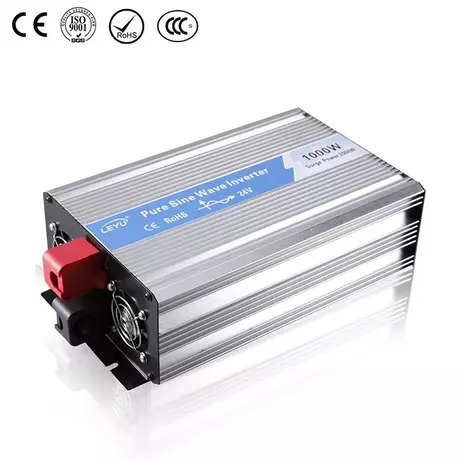
The best Pure Sine Wave Inverter for RV and camper is not the largest model available. It matches real appliance loads, handles surge demand, and integrates smoothly with your battery system. Strong safety protections and stable output ensure reliable, grid-like power wherever you travel.
Zhejiang Leyu Electric Co., Ltd. delivers dependable inverter solutions built on engineering expertise and strict quality control. Their products offer efficient performance, advanced protection features, and consistent output, helping RV owners build safe, long-lasting power systems for life on the road.
A: A Pure Sine Wave Inverter converts DC battery power into smooth AC electricity similar to grid power. It is recommended for RVs because it safely runs sensitive electronics, kitchen appliances, and modern devices without causing interference or overheating.
A: Start by calculating the total wattage of appliances you plan to run at the same time. A Pure Sine Wave Inverter should cover your continuous load and provide extra surge capacity for startup demands from microwaves or motor-driven devices.
A: Surge capacity allows a Pure Sine Wave Inverter to handle short bursts of higher power when appliances start up. Without enough surge support, your inverter may shut down or fail to power certain devices properly.
A: Yes, a properly sized Pure Sine Wave Inverter can power the full AC panel of an RV. However, this depends on your battery bank size and total appliance demand. Some owners prefer powering only selected circuits for better efficiency.
A: A Pure Sine Wave Inverter provides cleaner, more stable electricity. It supports sensitive electronics and runs appliances more smoothly, making it a better choice for modern RV systems.
A: Price depends on wattage capacity, efficiency rating, surge capability, build quality, and certification standards. Higher-quality units often include better protection systems and longer service life.
 English


