
Views: 0 Author: Site Editor Publish Time: 2025-09-22 Origin: Site
Struggling to pick the right inverter? Power needs vary for home, vehicles, and work sites. Choosing correctly keeps devices safe and reliable. In this guide, you’ll learn how to select an inverter. We'll cover key types, features, and practical tips.
Before choosing an inverter, it's essential to know your power needs. Calculating the total load helps prevent under-sizing or overloading.
List all devices you plan to power. Sum their wattage to determine the continuous load. Example:
| Device | Wattage |
|---|---|
| Mini Fridge | 350 W |
| Laptop | 60 W |
| LED Lamp | 9 W |
| Total | 419 W |
Multiply amps by volts if the device only lists current. This ensures accurate sizing.
Many appliances require higher power at startup. Refrigerators, pumps, and power tools often draw 2–3 times their running wattage. Ensure the inverter can handle this surge.
The number of batteries affects runtime. Adding batteries increases operating hours. Use this formula:
Active runtime = (Minutes Running ÷ Minutes Observed) × Total Runtime Required
Match your battery voltage to the inverter's input. Common options are 12V, 24V, 36V, or 48V. Using mismatched voltage reduces efficiency and may damage equipment. Always choose a slightly higher wattage rating than your total load to allow for future expansion.
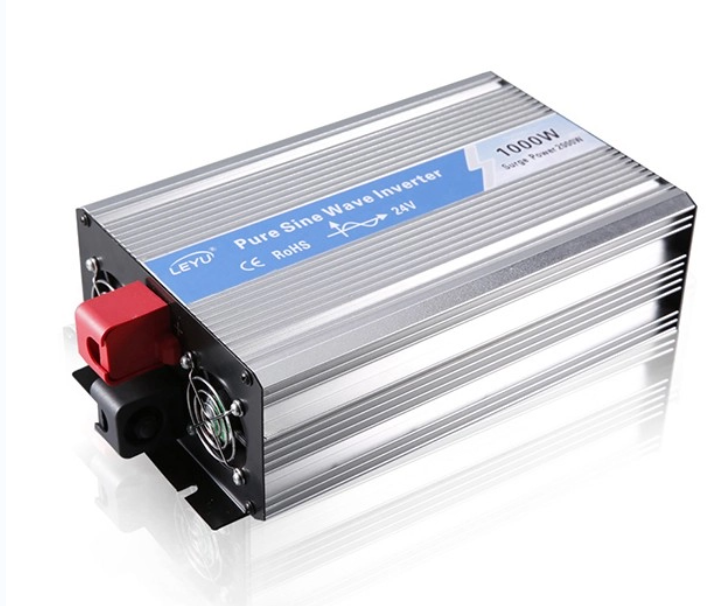
Understanding inverter types helps choose one suited to your specific needs.
A standard inverter converts DC to AC. An inverter also charges batteries when AC power is available. This feature reduces generator runtime and extends battery life.
Portable inverters work for vehicles, RVs, or camping. Permanent units suit homes or industrial sites and are wired directly into electrical systems.
Pure sine wave inverters produce smooth AC power. Sensitive electronics, variable-speed tools, and medical devices need this output. Modified sine wave inverters are cheaper but may cause noise or reduce lifespan of sensitive equipment.
Medical-grade inverters power hospital carts and EMS equipment safely. Heavy-duty inverters handle industrial tools, construction equipment, and high-demand applications. Pure sine wave inverters prevent overheating and malfunction in sensitive electronics.
Safety is critical when installing or operating inverters. Mishandling can lead to electric shock or fire.
Install inverters in ventilated areas away from heat or moisture. Maintain clearance of at least two inches on all sides. Grounding is mandatory for safety.
Use the correct fuse type and wire gauge for your inverter's rating. Resettable breakers protect against overloads.
| Continuous Wattage | Recommended Wire Gauge |
|---|---|
| < 500 W | 8 AWG |
| 500–1000 W | 4 AWG |
| 1000–1500 W | 2 AWG |
| 2000–3500 W | 1/0 AWG |
| > 3500 W | 4/0 AWG |
Deep-cycle batteries are preferred for long runtimes. Ventilation prevents hydrogen buildup. Avoid direct sunlight and keep away from flammable materials. Always hire a licensed electrician for hardwired installations over 400 W.
Inverters come with features that improve safety, convenience, and efficiency.
USB ports charge small devices. Consider GFCI or hospital-grade outlets for wet or medical environments.
Some inverters provide LEDs or RJ45 ports for remote status monitoring. This allows quick detection of low battery or overloads.
Three-stage charging extends battery life. It prevents overcharging, accidental depletion, and promotes faster recharge. B2B operations benefit from remote monitoring for critical equipment uptime.
Consider where and how you will use your inverter.
Off-grid setups rely solely on batteries or renewable sources. Grid-tied inverters supplement mains power and recharge batteries simultaneously.
Cars, trucks, RVs, and boats use portable or permanently mounted inverters. Ensure proper cable length and secure connections to prevent voltage drops.
Heavy-duty inverters handle peak power for tools and machinery. They prevent downtime by supplying consistent AC output under high demand. Use shorter cables between batteries and inverters to reduce voltage loss.
Proper care ensures inverters remain reliable and safe.
Prevent heat buildup using multi-speed fans or passive cooling. Hot inverters degrade faster and may fail prematurely.
Check charge levels frequently. Avoid deep discharges beyond 80% for extended battery life.
Inspect wiring, fuses, and connections regularly. Replace worn cables to prevent hazards. Maintaining batteries and cooling systems significantly extends inverter lifespan in high-demand operations.
Choosing the right inverter ensures safe, reliable power. Evaluate loads, runtime, voltage, and waveform carefully. Leyu offers high-quality inverters with advanced features. Their products provide efficiency and reliability for home and industrial use.
A: An inverter converts DC power to AC, allowing devices to run off batteries.
A: Use this inverter selection guide for beginners to match voltage, wattage, and runtime.
A: Pure sine wave inverters protect sensitive electronics and ensure stable performance. .
 English


