
Views: 0 Author: Site Editor Publish Time: 2025-09-29 Origin: Site
Solar panels generate power, but it is DC. Can your devices use DC directly? Not really. An inverter converts DC to usable AC power. It ensures your solar system runs efficiently. In this article, we explain why inverters matter. You will learn how to choose the right inverter.
Solar panels generate DC electricity. Most homes and businesses require AC power. An inverter changes both the current type and voltage. This step allows appliances and machinery to operate smoothly. Always verify your inverter supports the output voltage standards in your region.
Inverters make battery-based solar systems functional. They allow off-grid cabins, mobile units, and emergency backup systems to run standard devices. They bridge the gap between stored DC energy and everyday AC loads.
The waveform type of an inverter impacts energy efficiency. Pure sine wave inverters provide clean AC, ideal for sensitive equipment. Modified sine wave inverters are cheaper but may reduce appliance lifespan or cause buzzing. For critical operations, invest in pure sine wave inverters to avoid downtime and equipment damage.
Inverters handle sudden power surges, such as starting pumps or power tools. They maintain stable output even when input voltage fluctuates or loads vary. This ensures smooth operations without compromising battery life.
High-quality inverters offer overload protection, surge suppression, and low-voltage shutdowns. Industrial-grade models withstand extreme conditions better than consumer-grade units.
Selecting certified inverters (UL, ETL, CSA) ensures compliance and long-term safety.
Central inverters serve large solar installations. They connect multiple panels to a single unit. Pros include cost efficiency and simpler wiring. Cons involve potential system-wide performance issues if one panel fails.
String inverters connect several panels in series. They balance cost and performance for residential and commercial setups. Panels in a string may suffer performance loss if shaded or dirty.
Microinverters attach to each panel individually. They optimize output for every panel, improving overall efficiency. They reduce shading impact and increase monitoring capabilities. Microinverters are ideal for rooftop solar arrays with varied sunlight exposure.
Power optimizers complement central or string inverters. They enhance panel-level performance and allow detailed monitoring. They boost energy yield without replacing the main inverter.
Portable, marine, RV, and hybrid inverters serve niche applications. They support mobility or backup operations and provide flexibility in deployment. Specialized inverters often include additional protections for environmental conditions.
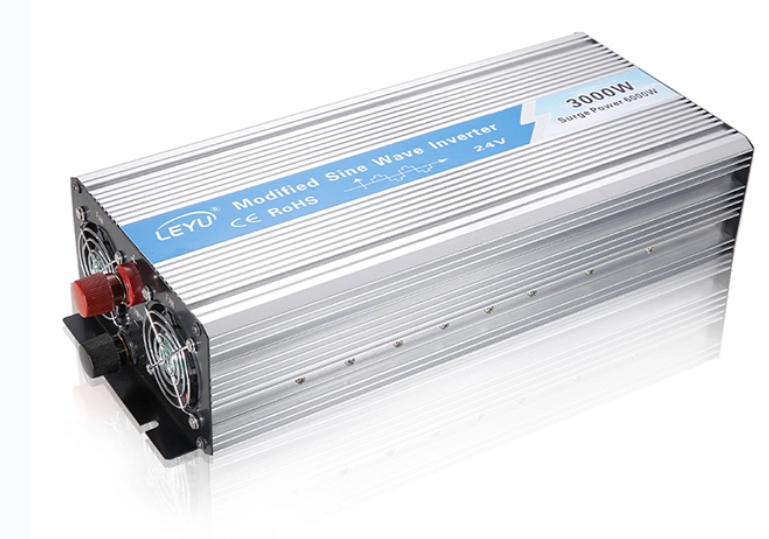
Determine continuous and surge power requirements. Oversizing an inverter ensures large motors or pumps run without causing voltage drops.
Check DC input voltage and AC output voltage/frequency. Verify it matches your panels and appliances. Continuous, limited-duration, and surge ratings matter for high-demand devices.
Efficiency varies with load. Peak efficiency occurs around two-thirds of inverter capacity. Idle power draw affects battery life, especially in low-load systems. Select an inverter with auto on/off and low idle draw to optimize energy usage.
Some inverters allow stacking or system expansion. This future-proofs your investment as energy needs grow.
Independent testing ensures safe, reliable operation. Certified inverters meet electrical codes and reduce liability. Investing in certified inverters protects both equipment and personnel.
High-quality inverters maximize energy harvested from panels. They minimize losses from inefficient waveform conversion and low-load operation.
They maintain steady AC output, preventing outages and equipment stress. Built-in protections shield systems from surges and lightning.
Reliable inverters allow off-grid operation or hybrid setups. Users gain autonomy from the traditional energy grid.
Though initial investment is higher, premium inverters reduce maintenance, prevent appliance damage, and extend system life. Factor long-term energy savings when evaluating inverter ROI.
Pumps, motors, and compressors require momentary high power. Inverters sized for surge capacity prevent lights from dimming or devices from failing.
Small devices continuously draw power, wasting energy. Inverters with load-sensing or standby features help manage these phantom loads efficiently.
Temperature swings, shading, or variable loads affect performance. Adaptive inverters maintain output quality under these conditions.
Inverters enable AC backup from DC battery storage. They ensure seamless operation during outages and support hybrid renewable systems. Proper integration prevents battery overcharge and extends inverter lifespan.
Most solar inverters last 15–25 years depending on type, quality, and usage intensity.
Clean vents, monitor performance, and update firmware as required. Early detection of faults improves longevity.
Complex multi-voltage systems require professional design. Certified installers ensure compliance with local codes and safety standards.
Overheating, waveform irregularities, and surge failures are common. Correct sizing, quality selection, and regular checks mitigate these risks. Schedule periodic professional audits for high-value solar installations.
| Criteria | Key Considerations |
|---|---|
| System Size & Load | Continuous, surge, and limited-duration ratings |
| Input/Output Specs | DC voltage, AC voltage/frequency compatibility |
| Efficiency & Idle Power | Peak efficiency at expected load, low idle draw |
| Waveform Quality | Pure sine vs modified sine |
| Expansion & Modularity | Ability to stack or upgrade for future capacity |
| Certification & Reliability | UL, ETL, CSA approvals; industrial-grade vs consumer-grade |
| Application Environment | Indoor/outdoor, temperature range, portability, specialized conditions |
| Maintenance & Support | Warranty, monitoring options, professional service availability |
Use this table as a quick reference when evaluating inverters for B2B solar projects.
Inverters are the backbone of solar systems. They convert DC to AC and stabilize power. They protect appliances and optimize output. Choosing the right inverter ensures safety. Leyu's products deliver high efficiency and reliability. Their inverters help businesses maximize ROI.
A: An inverter converts DC from solar panels to AC, enabling appliances to run efficiently.
A: Consider solar inverter selection criteria like capacity, efficiency, waveform, and certifications.
A: No, without an inverter, DC power cannot operate standard AC appliances.
 English


