
Views: 0 Author: Site Editor Publish Time: 2025-10-06 Origin: Site
Ever wondered how to run AC power off-grid? Installing an inverter makes it possible at home or in your RV. In this guide, you will learn how to choose, install, and safely use an inverter. We'll cover step-by-step instructions and practical tips for a reliable setup.
An inverter converts DC power from batteries into AC power for appliances. Unlike a converter, which changes AC to DC to charge batteries, an inverter enables devices like laptops, microwaves, and TVs to run away from shore power. AC appliances require stable voltage. Always check your inverter type.
Modified Sine Wave: Cost-effective, ideal for simple appliances like lights and fans.
Pure Sine Wave: Provides clean power for sensitive electronics.
Inverter Chargers: Combines inverter and converter in one, supporting battery charging while plugged in.
Pure sine wave inverters prevent damage to electronics and improve efficiency.
Calculate your continuous and surge wattage. Continuous wattage is what appliances draw steadily. Surge wattage is a temporary spike when appliances start. For example, a microwave may need 900W continuous and 1200W surge. Add a 25% buffer for safety. Consider all devices you might run simultaneously to size the inverter correctly.
Working with electricity is dangerous. Always disconnect batteries and shore power before installing an inverter. Wear gloves and eye protection, and verify your RV's wiring diagram.
Label wires and terminals before disconnecting. It prevents confusion during installation.
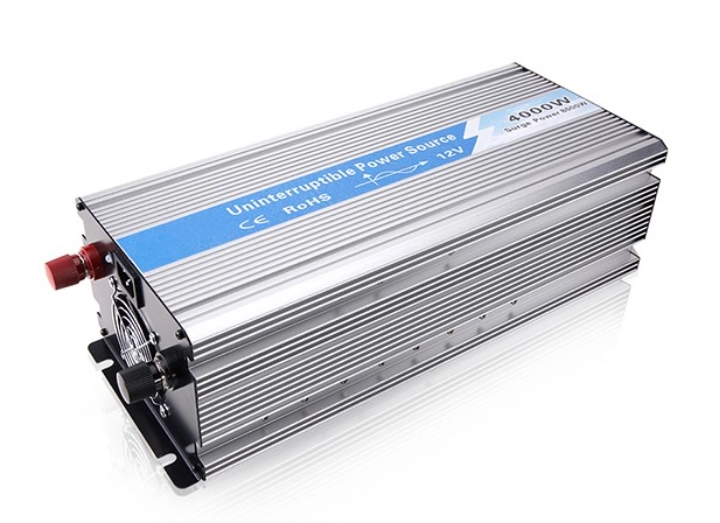
Match the inverter wattage to your AC load. Small campers may need 600–1000W, while full-time RVers may require 2000–3000W or more.
| Appliances | Wattage (Approx.) |
|---|---|
| Laptop | 50–100W |
| TV | 100–150W |
| Coffee Maker | 600–1000W |
| Microwave (small) | 900–1200W |
| RV Air Conditioner | 1500–3000W+ |
| Hair Dryer | 1000–1800W |
Annotation: Always size slightly above estimated load for future-proofing.
For every 1,000W inverter capacity, one 100Ah battery is a safe baseline. Higher wattage or extended off-grid use may need multiple batteries. Voltage matters: 12V, 24V, or 48V systems impact efficiency and cable thickness. Keep DC cable runs short to minimize voltage drop.
Pure sine wave inverters support sensitive electronics. Modified sine wave works for lights, fans, and simple appliances. Choosing incorrectly can damage devices.
Annotation: Laptops, medical devices, and modern TVs require pure sine wave power.
Built-in transfer switch for breaker panel integration.
GFCI outlets for quick appliance use.
Remote monitoring or Wi-Fi capability.
Tip: Integrated features simplify installation and enhance system control.
DC cables (appropriately gauged)
ANL fuses or circuit breakers
Transfer switch (if needed)
Screwdrivers, wire cutters, crimpers
Mounting hardware
Heat shrink tubing or electrical tape
Ventilation is critical to prevent overheating.
Place close to the battery bank but avoid flammable areas.
Dry, stable surface ensures safe operation.
Annotation: Heat buildup reduces inverter lifespan and efficiency.
Disconnect batteries and shore power.
Use gloves and eye protection.
Label all wires for clarity.
Double-check the inverter manual for manufacturer-specific warnings.
Secure the inverter using screws or brackets. Maintain clearance around vents. Avoid mounting upside down unless specified. Ventilation improves reliability and longevity.
Connect positive (red) and negative (black) cables to the battery. Install ANL fuses close to the battery. Keep cables short to reduce voltage drop. Loose or undersized cables can cause overheating and power loss.
Attach the inverter grounding lug to the RV chassis or a common ground bus. Verify connections are tight and clean. Proper grounding prevents shocks and equipment damage.
Three main options:
Extension Cord: Quick but limited flexibility.
Dedicated Outlets: Hardwired GFCI outlets for selected circuits.
Breaker Box Integration: Use a transfer switch to safely connect to the RV panel.
Improper breaker box connection may damage the inverter.
Reconnect batteries and turn the inverter on. Test small devices first. Monitor voltage, error codes, and appliance performance. Test before trips to avoid surprises off-grid.
Avoid running the inverter continuously without battery input. Turn off when not in use to conserve power. Continuous use can drain batteries quickly.
High-wattage appliances like microwaves or AC units require larger inverters. Avoid exceeding rated capacity. Label inverter-connected outlets to prevent accidental overloads.
Inspect cables and connections regularly.
Keep vents clean.
Monitor inverter temperature and performance.
Routine maintenance prevents downtime and extends lifespan.
Inverter not powering devices: Check fuses and breakers.
Overheating: Improve ventilation or reduce load.
Error codes: Consult manual for diagnostics.
Keep a simple checklist for common fixes.
Hardwire inverter output to AC distribution panel using a transfer switch. Automatically isolates shore power from inverter output.
Annotation: Requires moderate electrical experience.
Supports both AC output and battery charging. Simplifies system and reduces separate components. Consider if upgrading batteries to lithium or larger capacity.
DIY inverter installation for RV is feasible with careful planning. Hire professionals for complex wiring or high-capacity units.
Annotation: Large inverters with breaker panel integration may exceed DIY skill limits.
Installing an inverter offers freedom and flexibility for home or RV power. Proper sizing, safety, and maintenance ensure reliable AC appliance operation. Leyu's inverters provide high efficiency and durability, transforming your off-grid experience with dependable energy solutions.
A: An inverter converts DC battery power to AC, letting you run household appliances off-grid in your RV.
A: Follow safety steps, choose the right size, mount the inverter, wire DC and AC connections, and test the system.
A: Yes, a DIY inverter installation for RV is possible with proper tools, safety precautions, and clear instructions.
 English


