
Views: 0 Author: Site Editor Publish Time: 2025-10-13 Origin: Site
Ever wondered why inverters fail often? Neglecting them can cause costly downtime. In this article, we share tips for maintaining inverters efficiently. You will learn simple practices to boost performance and extend lifespan.
A single inverter failure can lead to significant energy loss. For example, a 4 kW system may lose up to 25 MWh per day in extreme cases. Frequent failures often stem from neglected maintenance or improper installation.
Environmental Conditions: Excessive heat, humidity, or dust can reduce lifespan.
Installation Issues: Loose wiring, improper grounding, or misaligned mounting can trigger faults.
Component Wear: Fans, fuses, and circuit breakers degrade over time, impacting performance.
Unusual noises or vibrations.
Warning codes or LED alerts on the control panel.
Lower output or inconsistent power delivery.
Regularly monitor inverter output to detect minor issues before they escalate.
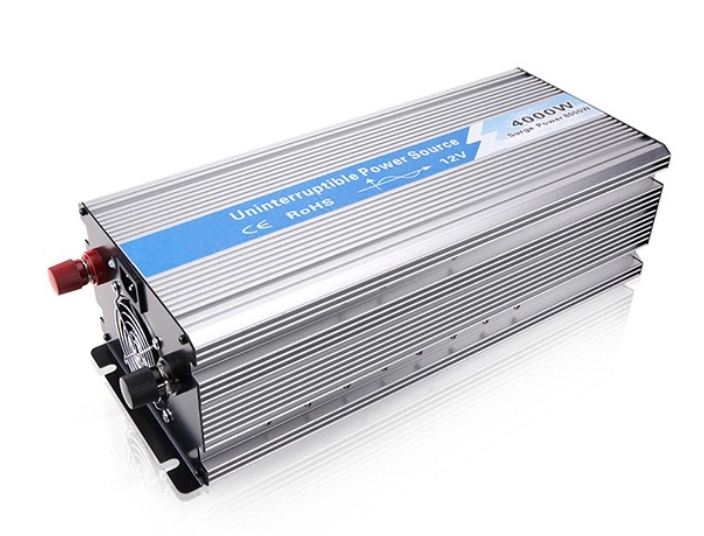
Check for corrosion and loose terminals.
Clean terminals with a suitable solution to prevent arcs.
Tighten connections to maintain a stable power flow.
Place inverters in cool, dry and ventilated areas.
Avoid exposure to direct sunlight and moisture.
Look for loose connections and damaged insulation.
Monitor error messages for early fault detection.
Inspect wires for signs of wear or overheating.
Clean air intake filters every six months.
Inspect fan blades for cracks or dust buildup.
Replace malfunctioning fans promptly.
Use thermal cameras to inspect radiator and airflow.
Ensure vents are unobstructed to prevent overheating.
Dust accumulation reduces efficiency and may trigger automatic shutdowns.
Monthly: Visual inspections, terminal cleaning.
Semi-annual: Air filter and fan checks.
Annual: Detailed wiring, control panel, and performance review.
Centralize inverter performance data.
Track alerts and maintenance logs digitally.
Document inspections, repairs, and replacements.
Compare performance trends over time to identify patterns.
| Maintenance Task | Frequency | Notes |
|---|---|---|
| Terminal inspection | Monthly | Clean and tighten |
| Air filter cleaning | Every 6 months | Replace if clogged |
| Cooling fan check | Annually | Listen for abnormal vibration |
| Wiring & connections inspection | Annually | Visual and thermal check |
| Performance log update | Monthly | Track output and error codes |
Check voltage, frequency, and temperature readings.
Identify unusual patterns indicating potential failures.
Tighten loose wires and terminals.
Replace air filters and clean fan blades.
Reset error codes after minor faults.
For high-voltage repairs or component replacements.
Battery replacements and complex wiring issues.
Always use insulated tools when servicing high-voltage inverters.
Use proper sizing for your solar or RV system.
Example: A 6 kW solar panel may require a 4.5 kW inverter.
Adjust drive parameters annually.
Avoid running inverter at extreme temperatures or low loads.
Follow recommended startup and shutdown sequences.
Regularly check inverter performance during seasonal or long-term storage.
Overloading an inverter reduces its lifespan and may void warranties.
Ensure proper grounding and insulation.
Monitor ambient temperature, humidity, and dust levels.
Keep protective grilles and covers in place.
Disconnect mains power before servicing.
Wear protective gloves and tools.
Secure ventilation is critical; blocked airflow can lead to permanent damage.
Maintaining and using inverters efficiently reduces downtime and costs. Regular inspections and preventive maintenance extend lifespan. Leyu's inverters provide reliable performance and easy monitoring. Following best practices ensures your system operates at peak efficiency.
A: An inverter converts DC power to AC power for homes and RVs.
A: Regular inspections, cleaning fans, and checking connections keep your inverter efficient.
A: Overheating occurs from blocked airflow, high temperatures, or dust buildup in the inverter.
 English


